
AVM & Vascular Malformations
AVM & Vascular Malformations
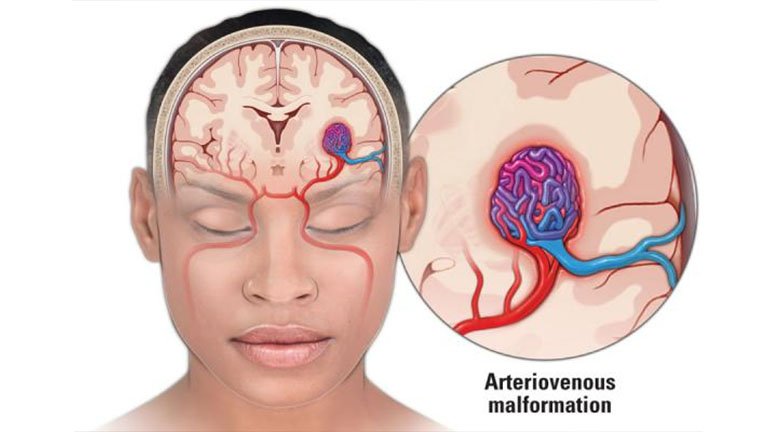
Arteriovenous Malformation (AVM) is an abnormal connection between arteries and veins that can occur in the brain, spinal cord, or other parts of the body. These abnormal blood-vessel formations can sometimes remain undetected, while in other cases they may cause headaches, seizures, neurological symptoms, or bleeding. Proper evaluation is important to understand the location, size, blood-flow pattern, and potential risks associated with the malformation.
Our specialized care focuses on accurate diagnosis, detailed vascular evaluation, and individualized treatment planning for patients with AVM and other vascular malformations. Treatment decisions are based on factors such as the size and location of the lesion, symptoms, blood-flow characteristics, and the patient's overall condition.
Conditions We Manage
- Brain Arteriovenous Malformation (AVM)
- Spinal AVM
- Cerebral Vascular Malformations
- Cavernous Malformations
- Dural Arteriovenous Fistula (dAVF)
- Complex Cerebrovascular Malformations
- Previously Treated or Recurrent Vascular Malformations
Comprehensive Evaluation & Treatment
Diagnosis may involve advanced imaging and vascular studies such as MRI, CT angiography, MR angiography, or cerebral angiography, depending on the patient's condition. A detailed assessment helps determine the nature and extent of the vascular malformation and guides treatment planning.
Depending on the individual case, management may include regular monitoring, medical care, endovascular treatment such as embolization, stereotactic radiosurgery, surgical removal, or a combination of approaches. The treatment strategy is carefully planned according to the patient's specific condition and clinical requirements.
Importance of Early Evaluation
Some vascular malformations may be discovered incidentally, while others can present with symptoms such as seizures, persistent headaches, weakness, numbness, vision or speech difficulties, or bleeding. Early specialist evaluation can help identify the condition and determine an appropriate management plan.