Liver Cirrhosis Treatment
Liver Cirrhosis Treatment
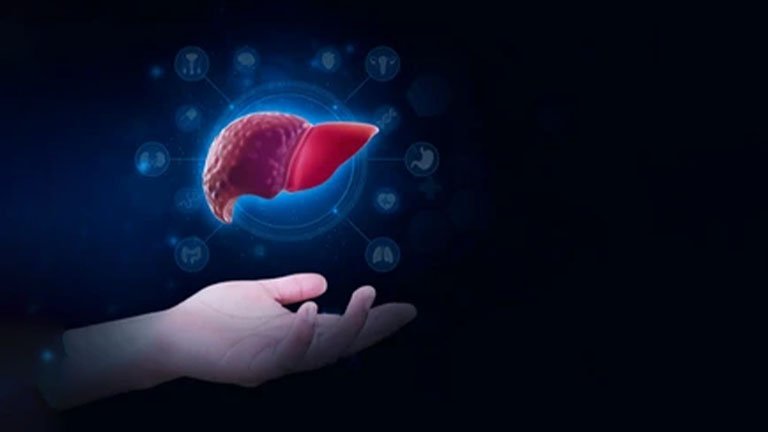
Liver cirrhosis is a chronic condition in which healthy liver tissue is gradually replaced by scar tissue, affecting the liver's normal structure and function. Cirrhosis can develop due to various causes, including chronic viral hepatitis, alcohol-related liver disease, metabolic conditions, and other long-term liver disorders. Early diagnosis and appropriate management can help control the underlying cause and reduce the risk of complications.
Our specialized care focuses on identifying the underlying cause of liver disease, assessing the severity of cirrhosis, monitoring liver function, and developing an individualized treatment and follow-up plan. Management is tailored according to the stage of disease, symptoms, complications, and overall health.
Conditions We Manage
- Liver Cirrhosis
- Compensated Cirrhosis
- Decompensated Cirrhosis
- Alcohol-Related Liver Disease
- Chronic Viral Hepatitis-related Cirrhosis
- Metabolic Dysfunction-associated Liver Disease
- Fatty Liver Disease-related Liver Damage
- Portal Hypertension
- Cirrhosis-related Complications
Comprehensive Evaluation & Treatment
Evaluation may include a detailed medical history and physical examination along with blood tests, liver function tests, ultrasound, elastography, CT or MRI scans, and other investigations when clinically appropriate. These assessments help determine the cause and severity of liver disease and identify possible complications.
Treatment primarily focuses on managing the underlying cause and preventing or treating complications. Depending on the patient's condition, management may include appropriate medications, lifestyle and nutritional measures, treatment of viral hepatitis when applicable, and monitoring for complications such as ascites, variceal bleeding, hepatic encephalopathy, and liver cancer.
In advanced liver disease, specialist evaluation for liver transplantation may be considered when appropriate.
Importance of Regular Monitoring
Cirrhosis requires ongoing medical follow-up because liver function and complications can change over time. Regular monitoring can help identify complications at an early stage and allow timely management.
Symptoms such as increasing abdominal swelling, yellowing of the skin or eyes, vomiting blood, black stools, confusion, severe weakness, or significant changes in consciousness require urgent medical evaluation.