Blocked Arteries
Blocked Arteries
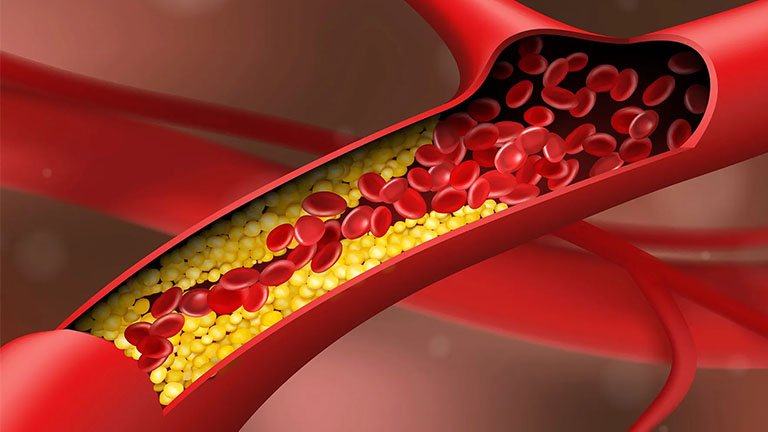
Blocked arteries occur when blood vessels become narrowed or completely obstructed, reducing the normal flow of blood to different parts of the body. Arterial blockage can develop due to plaque buildup, blood clots, inflammation, or other vascular conditions. Depending on the location and severity of the blockage, it may affect the legs, arms, heart, brain, kidneys, or other organs.
Early evaluation is important because reduced blood flow can cause pain, tissue damage, and other complications. Treatment is planned according to the location of the blockage, its severity, the patient's symptoms, overall health, and vascular condition.
Conditions We Manage
Blocked or narrowed arteries may be associated with:
- Peripheral Artery Disease (PAD)
- Leg Artery Blockage
- Arm Artery Blockage
- Femoral Artery Stenosis or Occlusion
- Iliac Artery Blockage
- Popliteal Artery Disease
- Below-Knee Artery Disease
- Renal Artery Stenosis
- Carotid Artery Narrowing
- Arterial Thrombosis
- Chronic Arterial Occlusion
- Reduced Blood Circulation in the Limbs
Symptoms of Blocked Arteries
Symptoms vary depending on the affected artery and severity of reduced blood flow. Common symptoms may include:
- Pain or Cramping in the Legs While Walking
- Leg Pain That Improves With Rest
- Numbness or Tingling
- Coldness in the Feet or Hands
- Weakness in the Limb
- Changes in Skin Color
- Slow-Healing Wounds or Ulcers
- Reduced Pulses in the Affected Limb
- Swelling or Other Circulatory Changes
Some arterial blockages may cause few symptoms initially, which is why appropriate vascular evaluation can be important in patients with risk factors or suspected circulation problems.
Comprehensive Evaluation & Diagnosis
Evaluation begins with a detailed medical history and physical examination. Depending on the symptoms and suspected location of the blockage, vascular investigations may include Doppler ultrasound, ankle-brachial index (ABI), CT angiography, MR angiography, or conventional angiography.
These investigations help determine the location and extent of arterial narrowing or blockage and assist the vascular specialist in selecting an appropriate treatment approach.
Treatment Options
Treatment depends on the severity and location of the arterial blockage. Management may include lifestyle modification, control of underlying risk factors, medications, and regular monitoring.
For selected patients, minimally invasive endovascular procedures may be considered. These can include:
- Balloon Angioplasty
- Stent Placement
- Thrombectomy for Selected Blood Clots
- Catheter-Based Vascular Procedures