
Kidney Biopsy
Kidney Biopsy
A kidney biopsy is a diagnostic procedure used to examine a small sample of kidney tissue under a microscope. It can help doctors identify the cause and extent of kidney disease when blood tests, urine tests, imaging, or other investigations do not provide enough information. A biopsy can also help guide treatment decisions and assess how the kidneys are responding to therapy.
Our specialized care focuses on appropriate patient evaluation, determining whether a kidney biopsy is required, and ensuring that the procedure is planned and performed with appropriate precautions. The decision to perform a biopsy depends on the patient's symptoms, kidney function, urine findings, medical history, and other diagnostic results.
Conditions Where Kidney Biopsy May Be Recommended
- Unexplained Decline in Kidney Function
- Proteinuria
- Blood in the Urine (Hematuria)
- Nephrotic Syndrome
- Nephritic Syndrome
- Glomerular Diseases
- Suspected Autoimmune Kidney Disorders
- Kidney Disease of Uncertain Cause
- Evaluation of Kidney Transplant Dysfunction
- Monitoring Selected Kidney Diseases
Comprehensive Evaluation & Procedure
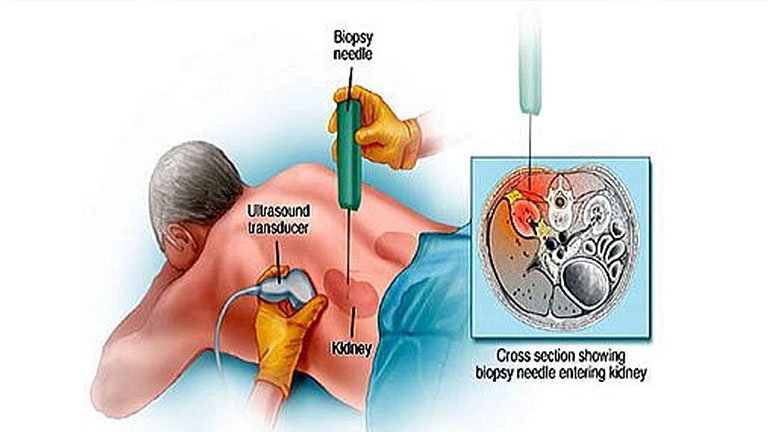
Before the procedure, the patient's medical history, medications, blood pressure, blood clotting profile, kidney function, and imaging findings may be assessed. In many cases, a kidney biopsy is performed using image guidance, such as ultrasound, to accurately guide the biopsy needle and obtain a small tissue sample.
The collected tissue is examined by specialized pathology techniques to identify inflammation, scarring, infection, immune-related changes, or other abnormalities. The biopsy findings can help the treating specialist determine the underlying kidney condition and develop an appropriate management plan.
After the Procedure
Patients are generally monitored for a period after the biopsy to check for possible complications. Some temporary discomfort may occur at the biopsy site. The treating team provides individualized instructions regarding activity, medications, and follow-up based on the patient's condition.
Importance of Accurate Diagnosis
Kidney diseases can have different causes and may require different treatments. When clinically indicated, a kidney biopsy can provide important information about the underlying kidney condition and help guide personalized treatment and long-term monitoring.