Varicose Vein Treatment
Varicose Vein Treatment
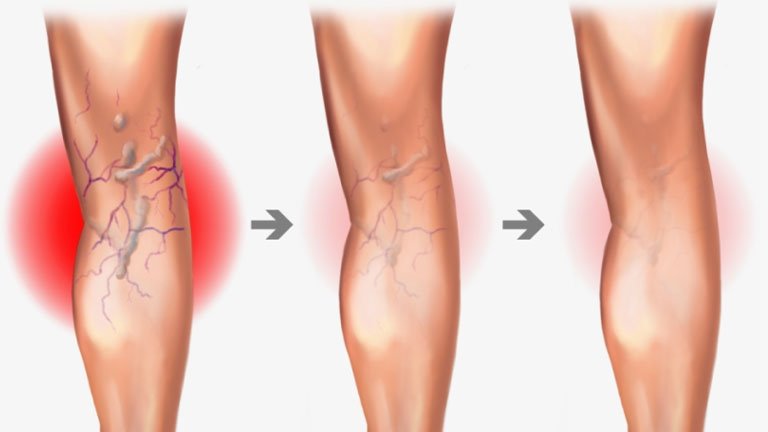
Varicose veins are enlarged, twisted, or swollen veins that commonly develop in the legs when the valves inside the veins do not function properly, causing blood to pool within the veins. They may appear as visible bulging veins and can be associated with pain, heaviness, swelling, itching, skin changes, or discomfort, particularly after prolonged standing.
Our specialized care focuses on accurate evaluation of venous circulation, identifying the underlying cause, assessing the severity of the condition, and developing an individualized treatment plan. Early assessment can help manage symptoms and reduce the risk of complications associated with advanced venous disease.
Conditions We Manage
- Varicose Veins
- Spider Veins
- Chronic Venous Insufficiency
- Venous Reflux
- Leg Swelling Related to Venous Disease
- Venous Ulcers
- Recurrent Varicose Veins
- Other Superficial & Deep Venous Disorders
Comprehensive Evaluation & Treatment
Evaluation may include a detailed clinical examination and Doppler ultrasound to assess blood flow, vein function, and the presence of venous reflux or obstruction. The findings help determine the most appropriate treatment approach for each patient.
Depending on the severity and underlying cause, treatment may include lifestyle measures, compression therapy, minimally invasive procedures, sclerotherapy, endovenous thermal ablation, or surgical treatment when appropriate. The treatment plan is tailored according to the patient's symptoms, vein anatomy, and overall clinical condition.
Importance of Early Evaluation
Varicose veins may initially cause cosmetic concerns or mild discomfort, but some patients can develop progressive swelling, skin discoloration, skin changes, or venous ulcers. Persistent pain, swelling, skin changes, or non-healing wounds should be evaluated by a qualified vascular specialist for appropriate diagnosis and management.