
Fibroid Treatment
Fibroid Treatment
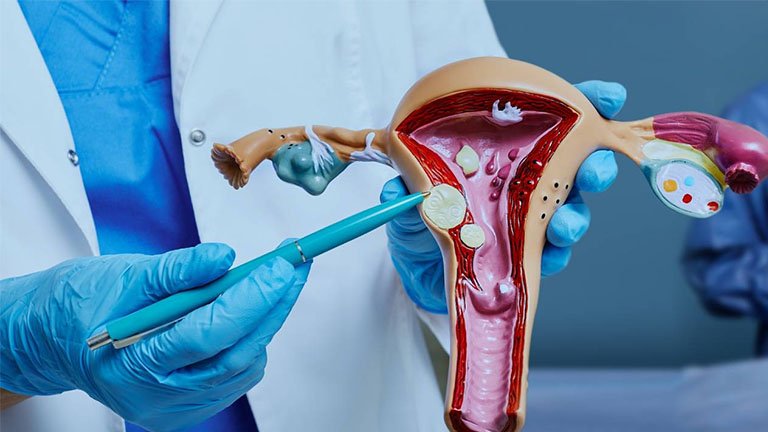
Uterine fibroids are non-cancerous growths that develop in or around the uterus. They can vary in size, number, and location and may cause symptoms such as heavy or prolonged menstrual bleeding, pelvic pressure or pain, frequent urination, abdominal enlargement, or discomfort during intercourse. Some women may have fibroids without experiencing any symptoms.
Our specialized care focuses on accurate diagnosis, assessment of fibroid size and location, evaluation of symptoms, and development of an individualized treatment plan. The appropriate approach depends on factors such as the patient's age, symptoms, fibroid characteristics, reproductive plans, and overall health.
Conditions We Manage
- Uterine Fibroids
- Intramural Fibroids
- Submucosal Fibroids
- Subserosal Fibroids
- Multiple or Large Fibroids
- Symptomatic Fibroids
- Fibroids Associated with Heavy Menstrual Bleeding
- Fibroids Affecting Fertility or Pregnancy
Comprehensive Evaluation & Treatment
Diagnosis may include a detailed medical and gynecological examination along with pelvic ultrasound. In selected cases, MRI or other investigations may be recommended to better assess the number, size, and location of fibroids.
Treatment depends on the severity of symptoms and individual requirements. Options may include observation and regular monitoring, medications to control symptoms, minimally invasive procedures, uterine artery embolization in selected patients, or surgical treatment such as myomectomy or hysterectomy when appropriate.
Importance of Early Evaluation
Heavy or prolonged menstrual bleeding, persistent pelvic pain or pressure, abdominal enlargement, frequent urination, or fertility concerns should be evaluated by a qualified gynecologist. Early assessment can help identify fibroids and guide an appropriate treatment and follow-up plan.