Aortic Aneurysm
Aortic Aneurysm
Advanced Care for Aortic Aneurysm with Personalized Treatment Planning
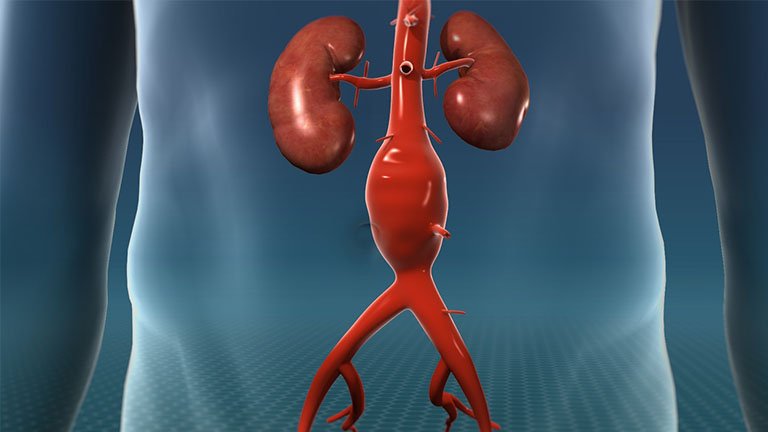
An Aortic Aneurysm is an abnormal enlargement or bulging of a section of the aorta, the body's main artery. Some aneurysms may remain unnoticed for a long time, while others can increase in size and carry a risk of serious complications. Early diagnosis, regular monitoring, and timely treatment can play an important role in managing the condition.
Our Aortic Aneurysm Treatment approach focuses on detailed evaluation of the aneurysm's size, location, growth, and overall patient health. Based on these factors, an individualized treatment plan can be developed to provide appropriate and timely care.
Comprehensive Aortic Aneurysm Care
Diagnosis and treatment may involve advanced imaging such as ultrasound, CT scans, or other vascular imaging techniques. Depending on the aneurysm and its characteristics, treatment may include regular monitoring, management of cardiovascular risk factors, minimally invasive endovascular procedures, or open surgical repair when required.
Common Signs & Symptoms
Many aortic aneurysms may not cause noticeable symptoms. When symptoms occur, they can vary depending on their location and size:
- Persistent or deep abdominal pain
- Back or chest discomfort
- A feeling of pressure in the abdomen
- A pulsating sensation in the abdomen
- Shortness of breath in some cases
- Difficulty swallowing or hoarseness with certain thoracic aneurysms
Personalized Treatment Approach
Treatment decisions are based on factors such as the aneurysm's size and location, rate of growth, symptoms, overall health, and risk of complications. Some aneurysms may require regular imaging and observation, while others may need endovascular or surgical repair.
Modern Treatment Options
Depending on the individual condition, treatment may include:
- Regular monitoring and imaging
- Medical management of cardiovascular risk factors
- Endovascular Aneurysm Repair (EVAR/TEVAR), when appropriate
- Open surgical aneurysm repair
- Long-term follow-up and surveillance
Early Evaluation Matters
An aortic aneurysm may sometimes develop without obvious symptoms. Timely medical evaluation and appropriate imaging can help identify an aneurysm and determine the right management strategy.
If you have been diagnosed with an aortic aneurysm or are experiencing persistent chest, abdominal, or back symptoms, consult a qualified vascular or cardiovascular specialist for appropriate evaluation.