
Enlarged Prostate Treatment
Enlarged Prostate Treatment
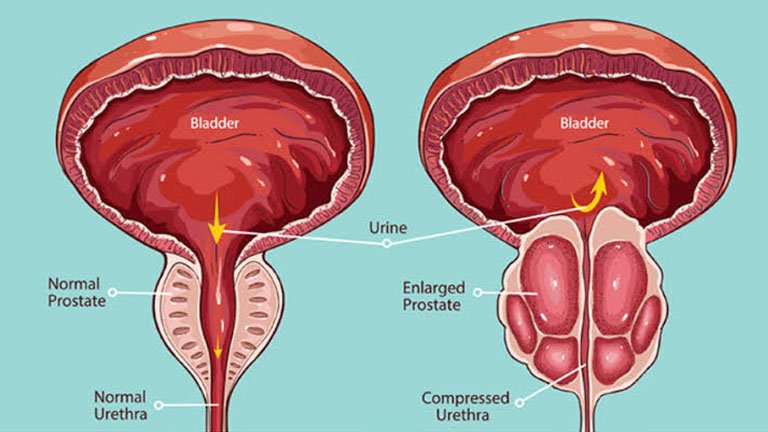
An enlarged prostate, medically known as Benign Prostatic Hyperplasia (BPH), is a common condition in aging men. Enlargement of the prostate can press against the urethra and interfere with the normal flow of urine. It may cause symptoms such as frequent urination, difficulty starting urination, weak or interrupted urine flow, urgency, or the need to urinate several times during the night.
Our specialized care focuses on evaluating urinary symptoms, assessing prostate size and urinary function, identifying other possible causes of symptoms, and developing an individualized treatment plan. The appropriate approach depends on symptom severity, prostate size, urinary function, age, overall health, and individual requirements.
Conditions We Manage
- Benign Prostatic Hyperplasia (BPH)
- Enlarged Prostate
- Urinary Frequency and Urgency
- Weak Urine Stream
- Difficulty Starting Urination
- Frequent Night-time Urination (Nocturia)
- Incomplete Bladder Emptying
- Urinary Symptoms Associated with Prostate Enlargement
Comprehensive Evaluation & Treatment
Evaluation may include a detailed medical history, physical examination, urine tests, blood tests such as PSA when appropriate, prostate assessment, and ultrasound or other investigations. Uroflowmetry and measurement of post-void residual urine may also be recommended to assess urinary flow and bladder emptying.
Treatment depends on the severity of symptoms and individual clinical findings. Management may include lifestyle modifications, medicines to improve urinary flow or reduce prostate-related symptoms, and minimally invasive or surgical procedures for selected patients with persistent or severe symptoms. Procedures such as transurethral prostate surgery may be considered when appropriate.
Importance of Early Evaluation
Persistent difficulty with urination, weak urine flow, frequent urination, urinary urgency, or incomplete bladder emptying should be evaluated by a qualified urologist. Early assessment can help identify the cause of urinary symptoms and guide an appropriate treatment and follow-up plan.
If a person is unable to pass urine at all, develops severe lower abdominal discomfort, or has significant blood in the urine, prompt medical evaluation is recommended.