
Brain Aneurysm Treatment
Brain Aneurysm Treatment
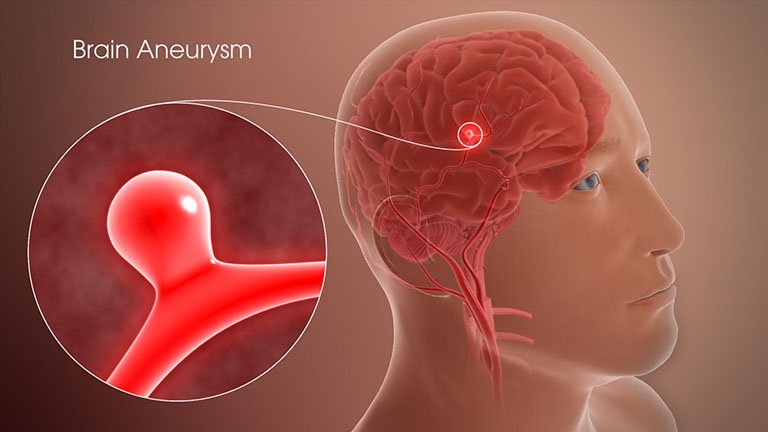
A brain aneurysm is a weakened area in a blood vessel of the brain that can develop into a balloon-like bulge. While some aneurysms may remain stable without causing symptoms, a ruptured aneurysm can lead to serious bleeding in the brain and requires immediate medical attention.
Our specialized approach to brain aneurysm care focuses on accurate diagnosis, assessment of the aneurysm’s size, location and characteristics, and selecting an appropriate treatment strategy based on the individual patient's condition. Treatment may include careful monitoring, medication for associated risk factors, endovascular procedures, or surgical intervention when required.
Conditions & Aneurysm-Related Problems We Manage
- Unruptured Brain Aneurysms
- Ruptured Brain Aneurysms
- Cerebral Aneurysms
- Intracranial Aneurysms
- Aneurysm-related Brain Hemorrhage
- Complex or High-Risk Aneurysms
- Follow-up and Monitoring of Known Aneurysms
Comprehensive Treatment & Care
Evaluation may include neurological examination and advanced brain and blood-vessel imaging to understand the aneurysm and surrounding blood vessels. Depending on the findings, treatment options may include endovascular techniques such as coiling or flow-diversion procedures, or surgical clipping in selected cases.
For patients who require treatment, the goal is to manage the aneurysm safely, reduce the risk of rupture or further bleeding, and provide appropriate follow-up care. A sudden severe headache, loss of consciousness, vomiting, seizure, vision problems, or new neurological symptoms may indicate a medical emergency and require immediate evaluation.