Deep Vein Thrombosis Treatment
Deep Vein Thrombosis Treatment
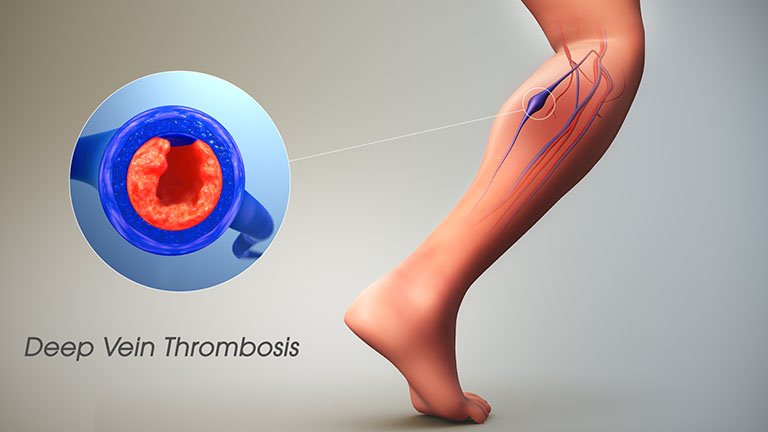
Deep Vein Thrombosis (DVT) is a condition in which a blood clot develops within a deep vein, most commonly in the legs. DVT can cause pain, swelling, warmth, tenderness, or changes in skin color. In some cases, a clot can travel to the lungs and cause a potentially serious condition called pulmonary embolism, making timely diagnosis and treatment important.
Our specialized care focuses on early evaluation, accurate diagnosis, assessment of clot location and extent, and individualized treatment planning. The treatment approach depends on factors such as the location and size of the clot, symptoms, underlying risk factors, and the patient's overall health.
Conditions We Manage
- Deep Vein Thrombosis (DVT)
- Lower Limb DVT
- Upper Limb DVT
- Proximal & Distal Vein Thrombosis
- Recurrent DVT
- Venous Thrombosis-related Complications
- Post-Thrombotic Syndrome
- Other Deep Venous Disorders
Comprehensive Evaluation & Treatment
Diagnosis may involve a detailed clinical assessment and Doppler ultrasound to evaluate blood flow and identify the presence and extent of a blood clot. In selected cases, additional imaging or blood tests may be recommended based on the clinical situation.
Treatment may include anticoagulant medicines to prevent the clot from growing or new clots from forming. Depending on the severity and individual circumstances, selected patients may require catheter-based procedures or other interventions. Follow-up care focuses on monitoring treatment response, managing risk factors, and reducing the risk of recurrence or complications.
Importance of Early Evaluation
Sudden swelling, pain, tenderness, warmth, or discoloration in one leg may require prompt medical evaluation. If symptoms such as sudden shortness of breath, chest pain, coughing up blood, rapid heartbeat, or fainting occur along with suspected DVT, immediate emergency medical attention is required.