Hemoptysis Treatment
Hemoptysis Treatment
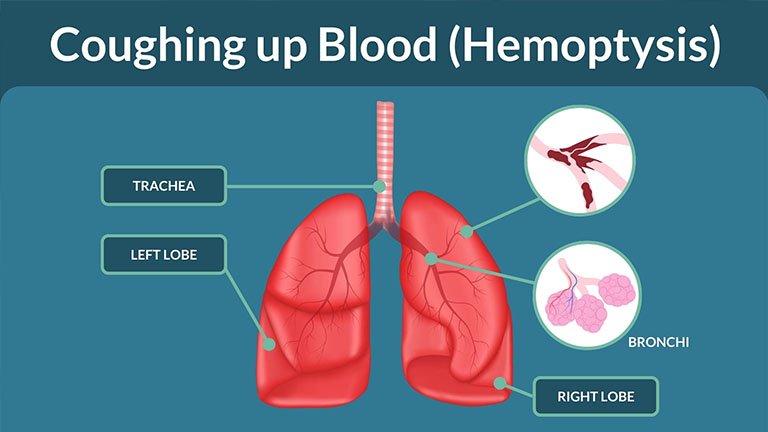
Hemoptysis refers to coughing up blood or blood-stained mucus from the respiratory tract. It can occur due to a variety of conditions ranging from infections and airway disorders to lung diseases and abnormalities of the blood vessels supplying the lungs. The amount of bleeding can vary, and identifying the underlying cause is important for appropriate treatment.
Our specialized care focuses on timely evaluation, identifying the source and cause of bleeding, assessing the severity of the condition, and developing an individualized treatment plan. Depending on the clinical situation, investigations may be required to evaluate the lungs, airways, and associated blood vessels.
Conditions We Manage
- Hemoptysis
- Recurrent Hemoptysis
- Blood-Stained Sputum
- Bleeding Related to Lung Infections
- Bronchiectasis-associated Hemoptysis
- Pulmonary Vascular Causes of Hemoptysis
- Bleeding from Abnormal Lung Blood Vessels
- Other Respiratory or Vascular Causes of Hemoptysis
Comprehensive Evaluation & Treatment
Evaluation may include a detailed medical history and physical examination along with investigations such as chest X-ray, CT scan, CT pulmonary angiography, bronchoscopy, or other tests when clinically appropriate. These investigations can help identify the source of bleeding and determine the underlying condition.
Treatment depends on the cause, severity, and overall health of the patient. Management may include treatment of the underlying infection or lung condition, medications, supportive care, or specialized procedures to control bleeding. In selected cases, bronchial artery embolization or other minimally invasive vascular procedures may be considered to control significant or recurrent bleeding.
Importance of Early Evaluation
Coughing up blood should not be ignored, particularly when the bleeding is recurrent, increasing, or associated with breathing difficulty, chest pain, dizziness, or weakness. Significant or heavy bleeding or difficulty breathing requires immediate emergency medical attention.