
Osteoarthritis Treatment
Osteoarthritis Treatment
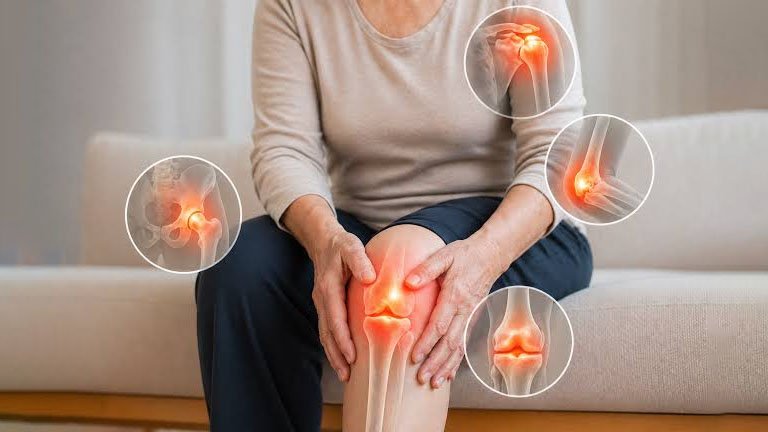
Osteoarthritis is a common joint condition in which the cartilage and other structures within a joint gradually undergo changes over time. It most commonly affects the knees, hips, hands, and spine and may cause joint pain, stiffness, swelling, reduced movement, and difficulty performing everyday activities. Symptoms can vary from mild to more persistent depending on the severity of the condition.
Our specialized care focuses on accurate assessment of joint health, understanding the severity and cause of symptoms, and developing an individualized treatment and rehabilitation plan. The treatment approach depends on the affected joint, severity of symptoms, activity level, age, and overall health.
Conditions We Manage
- Knee Osteoarthritis
- Hip Osteoarthritis
- Hand & Finger Osteoarthritis
- Shoulder Osteoarthritis
- Ankle Osteoarthritis
- Spine-related Osteoarthritis
- Post-Traumatic Osteoarthritis
- Degenerative Joint Changes
- Chronic Joint Pain and Stiffness
Comprehensive Evaluation & Treatment
Diagnosis may involve a detailed medical history, physical examination, assessment of joint movement, and imaging such as X-rays or MRI when clinically appropriate. These evaluations help determine the extent of joint changes and guide treatment planning.
Treatment may include activity modification, weight management where appropriate, physiotherapy, strengthening and mobility exercises, pain-management medicines, and selected joint injections. For patients with advanced joint damage and persistent symptoms despite conservative treatment, surgical options such as joint replacement may be considered when appropriate.
Rehabilitation & Long-Term Care
A structured rehabilitation program can help improve joint mobility, muscle strength, balance, and functional ability. Patients may also receive guidance regarding exercise, posture, activity modification, and other measures that can help manage symptoms and maintain joint function.
Importance of Early Evaluation
Persistent joint pain, stiffness, swelling, reduced range of motion, or difficulty walking and performing daily activities should be evaluated by a qualified healthcare professional. Early assessment can help identify the cause of symptoms and establish an appropriate treatment and rehabilitation plan.